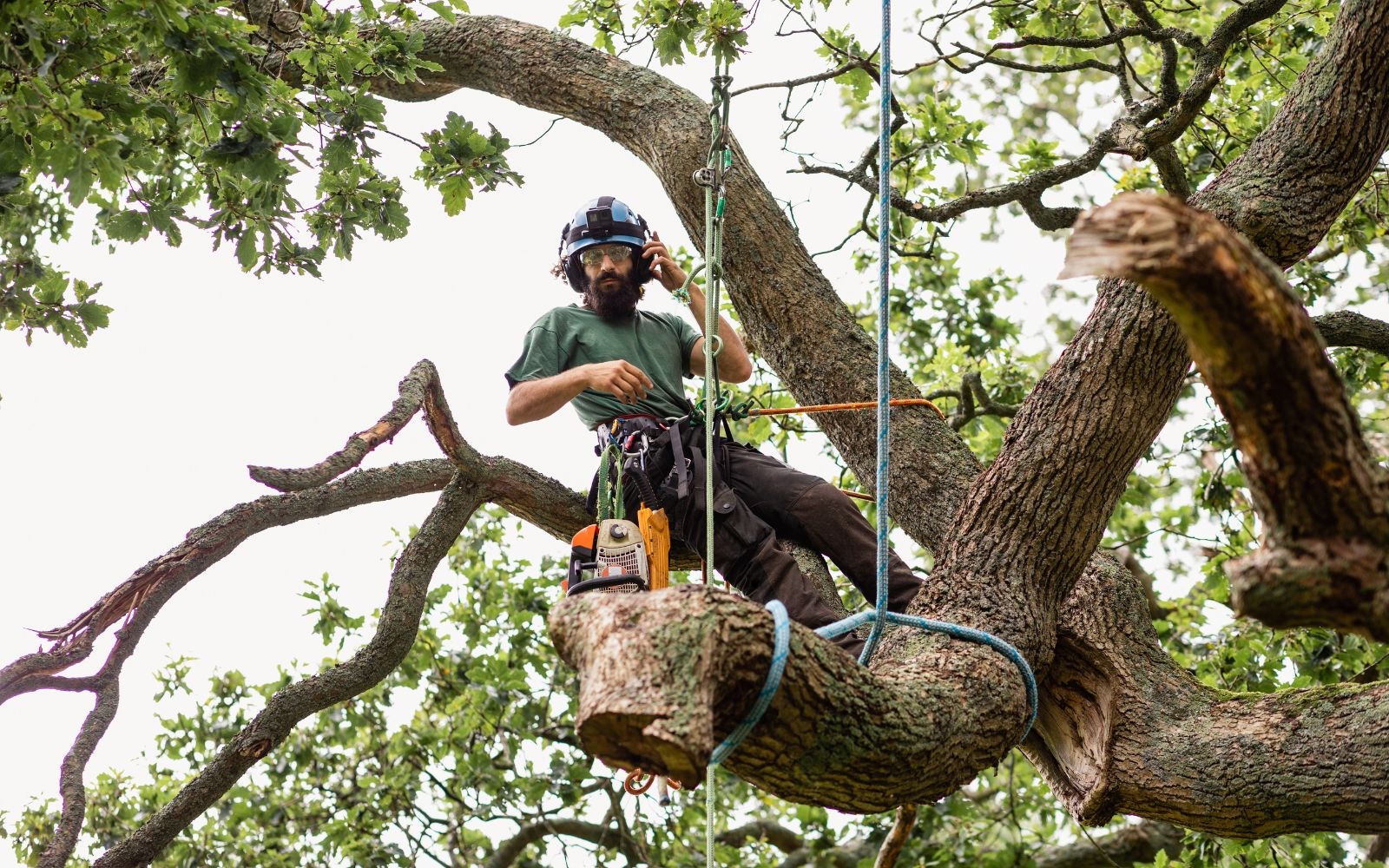
Tree Removal services by qualified staff for safe removal of trees of any size.
Tree Pruning services to enhance tree health, aesthetics, and property safety.
Tree Lopping, Cutting, and Removal for large or hazardous branches and trees.
Palm Tree Removal including stumps, fronds, leaves, seeds, and fruit.
Hedge Pruning for neat, attractive, and safe hedge growth.
Land Clearing for residential, commercial, and agricultural areas, including large-scale projects.
Block and Land Clearing for property preparation, construction, or landscaping.
Stump Grinding with modern machinery to remove all traces of tree stumps.
Commitment to protecting property and surrounding areas during tree services.
Trusted location at Unit 9/169 Beavers Rd, Northcote VIC 3070, serving Melbourne homeowners and businesses.
Use of modern, high-quality equipment and safety gear for all tree care operations.
Comprehensive insurance coverage for all services, ensuring client peace of mind.
Identification of hazards including overgrown branches, storm damage, proximity to cables, and invasive roots.
Professional handling of pest infestations and excessive or misdirected tree growth.
Efficient, experienced, and results-driven service for timely project completion.
Debris removal and site cleanup are crucial services that play an essential role across various industries, ensuring safety, efficiency, and environmental responsibility. Whether it's a construction site, a renovation project, or the aftermath of a natural disaster, these services are vital in maintaining a secure and organized environment. In construction, for instance, debris removal is not just about tidying up; it's about eliminating potential hazards that can lead to accidents or injuries. Melbourne Tree Removal Experts is a trusted provider of professional tree services across Melbourne and surrounding suburbs. With a qualified and experienced team, we specialise in safe, efficient and affordable solutions for all types of tree care needs. Whether you require complete tree removal, detailed pruning, hedge shaping or large-scale land clearing, our experts are equipped with modern machinery and industry-standard safety gear to deliver outstanding results. Melbourne Tree Removal Experts Our comprehensive service range includes tree removal for trees of any size or condition, ensuring the safety of your property and the surrounding environment. We also offer expert tree pruning to improve tree health, encourage strong growth and enhance the overall appearance of your landscape. For properties that require extensive preparation, our land-clearing services cover residential, commercial and agricultural sites. We have the heavy-duty equipment needed for larger projects, from clearing shrubs to removing mature trees.. Proper site cleanup ensures that projects can progress smoothly without unnecessary delays caused by clutter or waste.
Key Benefits of Debris Removal and Site Cleanup:
In industries such as manufacturing or mining, debris removal is integral to managing waste and maintaining operational efficiency. It helps in preventing equipment damage and reducing downtime, ultimately contributing to cost savings and productivity. Additionally, site cleanup is essential in protecting the environment from harmful pollutants and non-biodegradable materials that can result from industrial processes.
Beyond safety and efficiency, debris removal and site cleanup services also uphold regulatory compliance. Many industries are subject to strict environmental and safety regulations that mandate proper waste management and site maintenance. Failure to comply can result in hefty fines and legal repercussions, making these services not just beneficial but necessary.
Moreover, the importance of these services extends to enhancing community aesthetics and public health. In urban areas, regular debris removal from construction or demolition sites helps in reducing air and water pollution, thus contributing to a healthier living environment. Overall, debris removal and site cleanup are indispensable services that support sustainability, safety, and operational excellence across various sectors.
In the realms of construction, renovation, and disaster recovery, debris removal and site cleanup are critical components that ensure safety and efficiency. In construction, debris often includes materials like concrete, wood, metal, drywall, and insulation. These materials can accumulate quickly, creating potential hazards if not promptly managed. For renovation projects, the debris may consist of outdated fixtures, cabinetry, flooring, and other materials that need removal to make way for new installations. Proper handling and disposal of these materials are essential to maintain a clean and organized work environment.
Disaster recovery presents a unique set of challenges, as the debris encountered can be more varied and unpredictable. Natural disasters such as hurricanes, tornadoes, and floods can result in a mix of organic materials, like fallen trees and vegetation, alongside construction debris from damaged buildings. Additionally, there may be hazardous materials, such as asbestos, lead, or chemicals, that require specialized handling and disposal techniques to prevent environmental contamination and ensure public safety.
Effective debris management in these scenarios involves not only the physical removal of waste but also adherence to local regulations and environmental guidelines. This often includes sorting materials for recycling, proper disposal of hazardous waste, and ensuring that salvageable items are repurposed or donated. By understanding the types of debris commonly encountered and implementing strategic removal and cleanup processes, projects can proceed smoothly, minimizing delays and maintaining compliance with safety standards.
Effective site cleanup begins with a comprehensive planning process. This involves assessing the site to understand the scope of debris removal and potential hazards. It is essential to create a detailed plan that outlines the steps necessary to achieve a clean and safe environment. This plan should include timelines, resource allocation, and contingency measures for unforeseen challenges. A well-structured plan ensures that the cleanup operation proceeds smoothly and efficiently, minimizing disruptions and maximizing safety.
Implementing robust safety protocols is crucial during site cleanup to protect workers and the surrounding community. Safety measures should include personal protective equipment (PPE), training sessions on hazard recognition, and emergency response plans. Regular safety audits and risk assessments can help identify potential dangers early, allowing for timely interventions. By prioritizing safety, cleanup operations can prevent accidents and injuries, fostering a secure working environment.
Understanding and mitigating environmental impact is a key consideration in site cleanup. This involves evaluating how debris removal and site activities might affect local ecosystems and wildlife. Strategies should be developed to minimize pollution, such as proper disposal of hazardous materials and reducing emissions from machinery. Additionally, restoration projects can help rehabilitate the environment, promoting biodiversity and sustainability post-cleanup. Balancing site cleanup with environmental preservation is vital for long-term ecological health.
Adhering to regulatory compliance is non-negotiable in site cleanup operations. Organizations must be familiar with local, state, and federal regulations regarding waste management and environmental protection. Compliance ensures that cleanup activities are conducted legally and ethically, avoiding potential fines and legal disputes. Staying informed about regulatory changes and engaging with regulatory bodies can facilitate smoother operations and enhance public trust in the cleanup process.
Engaging with the community is an important aspect of successful site cleanup. Transparent communication about cleanup plans and progress helps build community support and address concerns. Hosting informational sessions and soliciting feedback can strengthen relationships and foster collaboration. Additionally, involving the community in post-cleanup activities, such as tree planting or site monitoring, can enhance local ownership and commitment to maintaining a clean and safe environment.
Debris removal and site cleanup tasks require an array of specialized tools and machinery to ensure efficiency and safety. Among the most commonly used tools are shovels and rakes, essential for manually gathering and clearing smaller debris. For larger tasks, wheelbarrows and push brooms are invaluable for transporting and collecting debris over short distances. These tools are often complemented by heavy-duty gloves and protective eyewear to safeguard workers from potential hazards.
For sites requiring extensive cleanup, dump trucks play a crucial role in transporting large volumes of debris to disposal sites. Their capacity to carry heavy loads makes them indispensable for large-scale projects. Chippers and grinders are essential for reducing the volume of wood debris, turning tree branches and logs into mulch or wood chips, which can be repurposed or disposed of more easily.
In terms of machinery, skid steer loaders are a popular choice due to their versatility and maneuverability. Equipped with various attachments, they can efficiently handle different types of debris, from soil and rocks to construction waste. Excavators, another staple in debris removal, are utilized for their ability to dig and move large quantities of material quickly. For areas with limited access, mini-excavators provide a more compact option without sacrificing power or efficacy.
Safety is paramount in debris removal operations, and thus, personal protective equipment (PPE) such as helmets, steel-toed boots, and high-visibility vests are mandatory to prevent accidents and injuries. By employing the right combination of tools and machinery, debris removal and site cleanup can be conducted efficiently, ensuring that sites are left safe and ready for subsequent use or development.
Engaging a professional debris removal company can bring numerous advantages to both residential and commercial projects. One of the primary benefits is the efficiency and expertise these companies offer. With specialized equipment and trained personnel, they can handle large volumes of debris quickly and safely, ensuring that the site is cleared promptly. This efficiency not only saves time but also minimizes disruption to ongoing activities or construction schedules.
Moreover, professional debris removal companies are well-versed in local regulations and disposal requirements. They ensure that all debris is disposed of in compliance with environmental standards, reducing the risk of fines or legal issues. This expertise is crucial, especially in projects involving hazardous materials that require careful handling and disposal.
Key Advantages of Professional Cleanup Services:
Another significant advantage is the comprehensive service offered by these companies. Beyond mere debris removal, they often provide site cleanup services, leaving the area safe and ready for the next phase of work. This thoroughness enhances safety by eliminating potential hazards that could cause accidents or injuries.
Additionally, hiring professionals can be more cost-effective in the long run. While it may seem economical to handle debris removal internally, the hidden costs of equipment rental, labor, and potential downtime can add up. Professional services streamline the process, allowing businesses and homeowners to focus on their core activities without worrying about the intricacies of debris management.
In summary, the expertise and comprehensive solutions offered by professional debris removal companies make them an invaluable partner in any project requiring site cleanup. Their ability to manage debris efficiently and safely ensures peace of mind and a smooth progression of work.
What is the cost of hiring professional tree removal services?
Debris removal and site cleanup can be a formidable task, often presenting a series of challenges that require meticulous planning and execution. One common obstacle is the sheer volume and variety of debris, which can range from construction materials to organic waste. Managing such a diverse mix demands a systematic approach to sorting and disposal, ensuring that recyclable materials are separated from those destined for landfills. Employing the right equipment, such as excavators and industrial shredders, can significantly enhance efficiency in handling large quantities of waste.
Key Considerations in Debris Management:
Another significant challenge is the potential for hazardous materials. Identifying and safely removing substances like asbestos, lead, or chemical waste is crucial to protect both workers and the environment. This requires specialized training and adherence to strict regulatory guidelines to prevent contamination and ensure safe disposal.
Logistical issues, such as limited access to the site or the need for temporary roadways, can also impede progress. Planning ahead by conducting thorough site assessments and creating detailed action plans can mitigate these problems. Additionally, collaborating with local authorities and utility companies can streamline operations by coordinating road closures or securing necessary permits.
Weather conditions can further complicate debris removal efforts, particularly in regions prone to heavy rainfall or extreme temperatures. Flexible scheduling and contingency plans are essential to adapt to changing conditions, minimizing downtime and keeping projects on track.
Effective communication and coordination among team members are vital components in overcoming these challenges. Regular briefings and updates ensure everyone is aligned with the project goals and aware of their responsibilities. By implementing these strategies, debris removal and site cleanup can be carried out more efficiently, minimizing environmental impact and ensuring safety for all involved.
Ensuring safety and compliance with environmental laws during site cleanup is crucial for both the wellbeing of workers and the surrounding community. Adhering to these standards minimizes risks and helps prevent potential legal issues that could arise from non-compliance. Safety standards are designed to protect workers from hazards associated with debris removal, such as exposure to harmful materials or accidents due to unstable structures. Implementing proper safety protocols, such as wearing protective gear and using appropriate equipment, is essential to safeguard those involved in the cleanup process.
Key Elements of Compliance:
Moreover, compliance with environmental laws is vital to prevent negative impacts on the ecosystem. These laws are in place to ensure that cleanup efforts do not lead to pollution or destruction of natural habitats. Proper disposal of debris and contaminants is a key component of environmental compliance. This includes sorting materials for recycling and ensuring that hazardous waste is handled by certified professionals. By following these regulations, site cleanup projects can contribute positively to environmental sustainability.
Organizations engaged in debris removal and site cleanup should regularly train their teams on safety and environmental standards. This not only fosters a culture of responsibility and awareness but also enhances the efficiency and effectiveness of the cleanup efforts. Involving experts to assess and plan the cleanup process can further ensure adherence to all necessary regulations, ultimately protecting both human health and the environment.
When planning for debris removal and site cleanup, several factors play a crucial role in determining cost estimation and budgeting. Understanding these elements can help ensure that projects are completed within financial expectations and resources are allocated efficiently.
Firstly, the volume and type of debris significantly impact costs. Larger volumes require more manpower, equipment, and time, leading to higher expenses. Additionally, different types of debris, such as hazardous materials, require specialized handling and disposal methods, which can increase costs.
The location of the site also influences the budget. Remote or difficult-to-access areas may incur additional transportation and logistical expenses. Urban settings might require permits or adherence to stricter regulations, which can further escalate costs.
Key Cost Factors:
Another important factor is the timeline for the project. Urgent or expedited cleanups often demand more resources and labor, thus driving up the budget. Planning ahead and allowing for a flexible timeline can help manage costs more effectively.
Labor costs are a significant part of the budget as well. The need for skilled workers, especially when dealing with hazardous materials or complex environments, can increase expenses. Additionally, regional wage rates and labor availability can influence overall costs.
Equipment and technology also play a role. The need for specialized machinery or advanced technology can drive up costs, but they may also improve efficiency and safety, potentially offsetting some expenses in the long run.
Lastly, environmental regulations and disposal fees must be considered. Compliance with local, state, and federal laws can add to the cost, as can the fees associated with disposing of debris in an environmentally responsible manner.
By carefully considering these factors, project managers can develop a realistic budget that accounts for potential challenges and ensures successful debris removal and site cleanup.


Tree care is the application of arboricultural methods like pruning, trimming, and felling/thinning[1] in built environments. Road verge, greenways, backyard and park woody vegetation are at the center of attention for the tree care industry. Landscape architecture and urban forestry[2][3] also set high demands on professional tree care. High safety standards against the dangers of tree care have helped the industry evolve. Especially felling in space-limited environments poses significant risks: the vicinity of power or telephone lines, insufficient protective gear (against falling dead wood, chainsaw wounds, etc.) and narrow felling zones with endangered nearby buildings, parking cars, etc. The required equipment and experience usually transcends private means and is often considered too costly as a permanent part of the public infrastructure. In singular cases, traditional tools like handsaws may suffice, but large-scale tree care usually calls for heavy machinery like cranes, bucket trucks, harvesters, and woodchippers.
Road side trees are especially prone to abiotic stress by exhaust fumes, toxic road debris, soil compaction, and drought which makes them susceptible to fungal infections and various plant pests[4] like the spotted lantern fly.[5] When tree removal is not an option, because of road ecology considerations, the main challenge is to achieve road safety (visibility of road signs, blockage-free lanes, etc.) while maintaining tree health.

While the perceived risk of death by falling trees (a part of the "tree risk" complex) is influenced by media and often hyped (the objective risk has been reported to be close to 1 : 10.000.000, almost as low as death by lightning),[6] singular events have encouraged a "proactive" stance so that even lightly damaged trees are likely to be removed in urban and public traffic surroundings.[3] As a tree ages and nears the end of its safe useful life expectancy (SULE),[7] its perceived amenity value is decreased greatly. A risk assessment normally carried out by local council's arborist to determine the best course of action.[8] As with all public green spaces, trees in green urban spaces and their careful conservation is sometimes in conflict with aggressive urban development even though it is often understood how urban trees contribute to liveability of suburbs and cities both objectively (reduction of urban heat island effect, etc.) and subjectively.[9][10][11][12] Tree planting programs implemented by a growing number of cities, local councils and organizations is mitigating the losses and in most cases increasing the number of trees in suburbia.[13] Programs include the planting of 2 trees for every 1 tree removed, while some councils are paying land owners to keep trees instead of removing them for farming or construction.[14]
The voluntary industry consensus standards developed by TCIA, resulted in the ANSI A300 standard, the generally accepted industry standard for tree care practices including trees, shrubs, and other woody plants.[15] It includes the following parts:
Urban Forestry maintains 4.1 million trees on public property, which includes an estimated 3.5 million trees within Toronto's parks and ravines, and approximately 600,000 trees on City streets. ... The focus of our maintenance service is shifting progressively from reactive maintenance to proactive maintenance.
cite web: CS1 maint: multiple names: authors list (link)Ho Chi Minh City has announced a plan to move and cut down 300 trees on Ton Duc Thang Street in District 1 to make space for a bridge connecting to District 2 and a metro station.